
Best Rivet Bracelet for Vintage Watches: Gay Frères-Inspired Slim Design

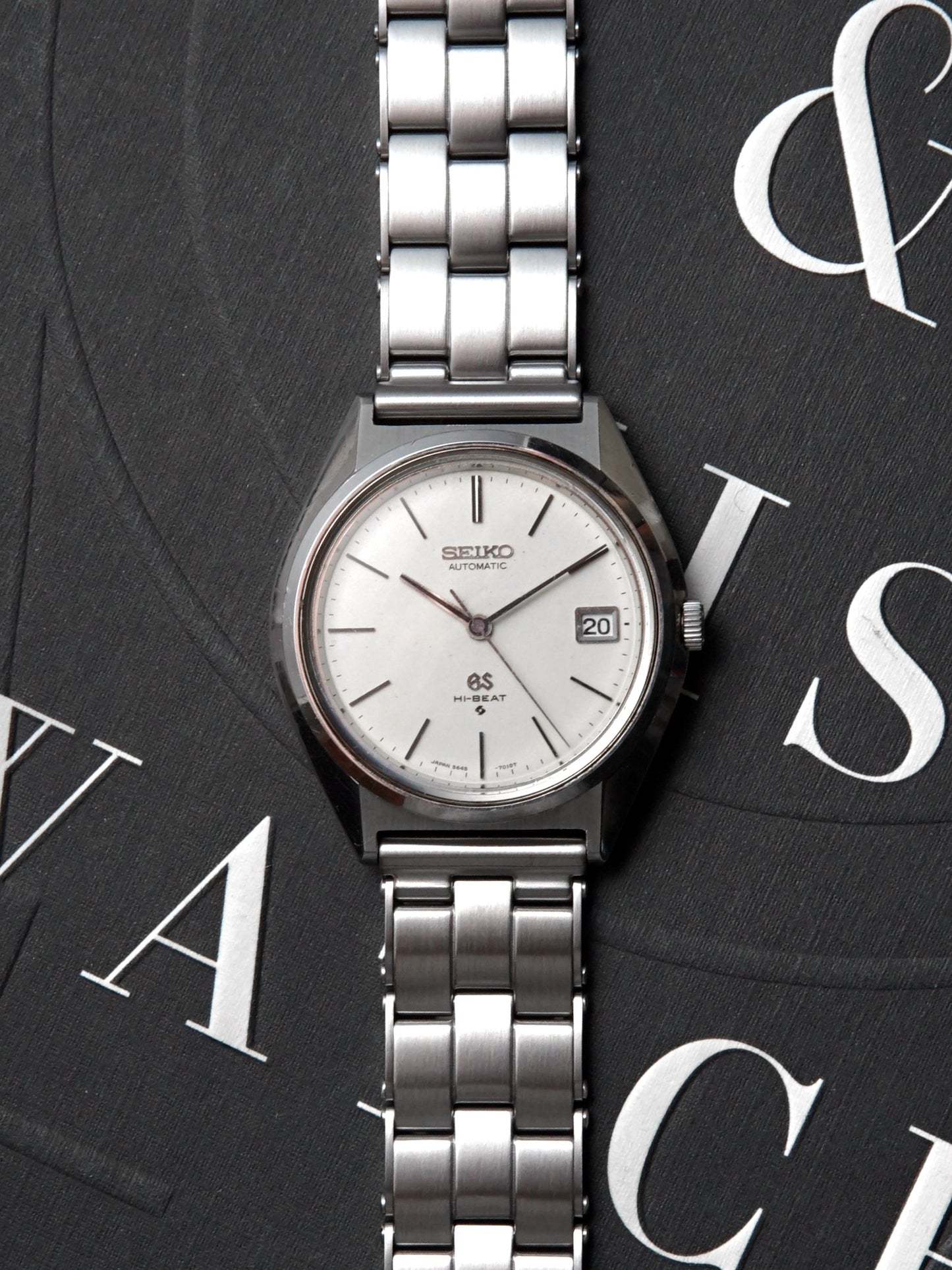
As someone who has always leaned toward leather straps, I’ve usually stayed away from modern bracelets. Most of them are too thick, and that extra bulk can make them surprisingly uncomfortable, especially if you spend your days typing on a laptop. In fact, that was exactly why I swapped out the first micro-adjust bracelet offered by Grand Seiko on my UFA and replaced it with a navy blue Buttero strap instead.
That said, I finally decided to give this style a proper try. And I’m glad I did. Not only do I love the look of a rivet bracelet on vintage watches, but I also found it incredibly comfortable thanks to its slim profile. It has that rare combination of presence and wearability that makes you forget it’s even there.
The Gay Frères design
When talking about rivet bracelets, it’s impossible to skip Gay Frères.

Gay Frères bracelets are an important part of vintage watch history. Known for their thin, elegant three-link construction, they often feature riveted or stretch-style links and a signed “GF” clasp. They were especially associated with Rolex, Patek Philippe, Omega, Heuer, and other major Swiss watchmakers in the mid-20th century. For many collectors, these bracelets are prized not only for their refined finishing and lightweight feel, but also because they are seen as an early precursor to later sport-bracelet designs. They are also commonly found on early Rolex Oyster watches.
Why this one makes sense
Original Gay Frères rivet bracelets are no longer in production, and good examples can command very high prices on the secondary market. Finding an unused one is close to impossible. That rarity is exactly why I decided to offer this Gay Frères-style rivet bracelet on my shop.
It captures the spirit of the original while making the style more accessible to modern collectors and vintage watch lovers alike.


Key features
This bracelet is built with a solid-link construction and made from 316L stainless steel. It uses a stainless steel clasp and weighs about 58g, giving it a substantial but still refined feel on the wrist. The bracelet is finished with a full straight brushed surface, creating a clean tool-watch aesthetic that pairs beautifully with vintage and sporty watches.

The bracelet body measures 18mm wide, while the end links are available in 18mm, 19mm, or 20mm depending on the watch head size. Please note that only the 18mm version is straight-width throughout. It measures 2.8mm thick and 175mm in length, and it comes with 316 spring bars and a tool. This model does not support quick-release spring bars.

Adjusting the bracelet
Adjusting a rivet bracelet takes a little patience, but it is very manageable.
First, determine how many links you need to remove. The easiest method is to fit the bracelet to the watch you intend to wear it with, close the clasp, and estimate how many extra links can come out. It does not need to be perfect at this stage because you can always make fine adjustments later by moving the connecting links on the clasp to achieve a more snug fit.
Each bracelet comes with two screwdrivers for adjusting the links. Lay the bracelet flat on a cloth or microfiber cloth to stabilize it, then use the screwdrivers on opposite ends and turn anticlockwise to unscrew the link. This process requires a bit of patience and strength. If it does not move at first, try unscrewing from the opposite hand, which often helps. To reduce the risk of scratches, I recommend taping the area near the rivets before working on the bracelet.

Once you have removed the necessary links, simply reverse the process to reconnect the loose links. The final step is to adjust the clasp area and fine-tune the length until the bracelet fits snugly.

Things to note
Because the end links are made in exact sizes, this bracelet may not fit every vintage watch. Be sure to measure your lug width carefully before choosing the correct version.